Cash model
£4,500/ quarter
Clean. Simple. Strictly commercial.
- -Quarterly board meetings, in person
- -Pre-read review + written perspective in advance
- -Founder 1:1 between meetings
- -Billed quarterly, invoice on appointment
Before you go
You still need someone to tell you it's wrong before you scale it. One day. A real plan. No retainer required.
Book The Growth Day - £3,500Scroll back down to dismiss
Board Member for Hire - London
Most startup boards are echo chambers - and echo chambers don’t fix broken Go-To-Market engines.
10
Years on boards
28M
DKK revenue scaled
10B
DKK transactions
3×
FT1000 listings
The case
Most startup boards are echo chambers. Founders build boards with people who validate their vision, and VCs install board members focused purely on financial compliance. Neither of those things will actually fix a broken Go-To-Market engine.
A board seat shouldn’t be a retirement gig. When you’re scaling a post-Seed ConTech or PropTech company, you don’t need another theoretical advisor. You need a commercial heavy-hitter who knows exactly how hard it is to sell into the built environment - and who isn’t afraid to tell the CEO that their pipeline is full of vanity metrics and unpaid pilots.
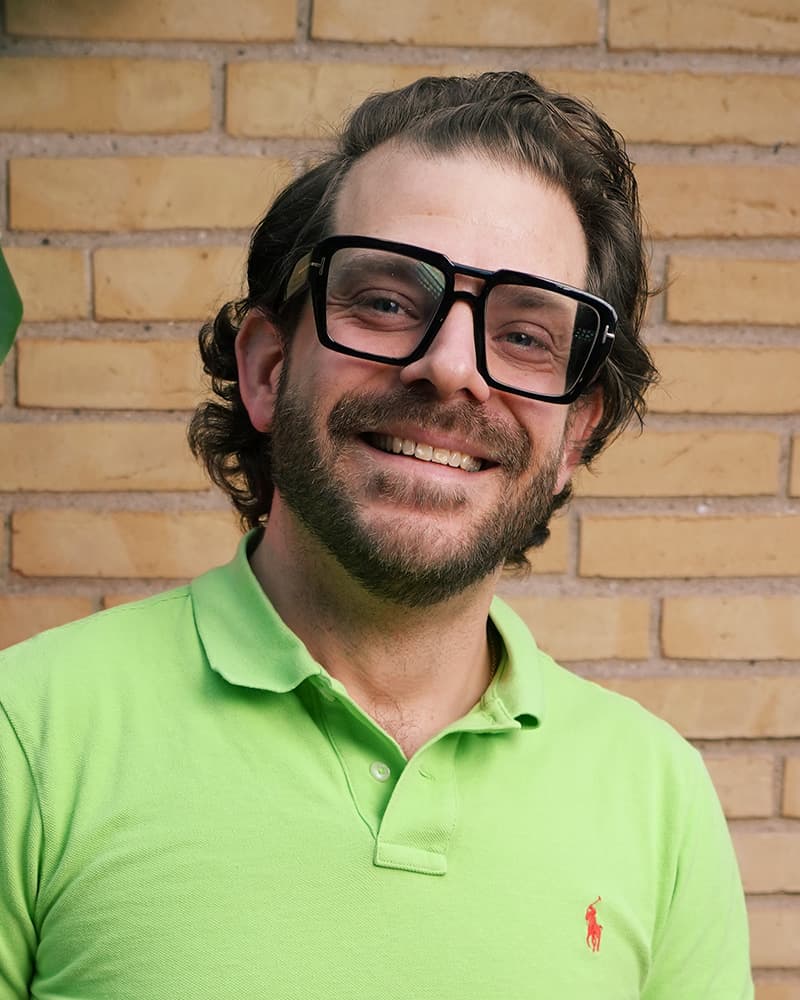
Tomas M. Krogh - London & Copenhagen
Track record
I don’t just advise; I govern. As a Non-Executive Director (NED), I currently sit on the boards of several active, scaling companies, keeping executive teams commercially accountable.
Before that, I sat on the board of Bomae for nearly 10 years. I governed that company from absolute zero, through the chaotic scaling phase to 28M DKK in revenue and three consecutive FT1000 listings, overseeing 10 Billion DKK in property transactions before successfully stepping out to let the next phase of leadership take over.
I know what a board needs to look like at inception, what it needs to look like during hyper-growth, and when it’s time to get out of the way.
On your board
Three things, repeated quarterly, written down. Nothing theatrical. No 60-page deck. Just commercial accountability the CEO can’t wriggle out of.
I do not validate your strategy just to keep board meetings pleasant. I interrogate your CAC payback periods, your sales cycles, and your commercial unit economics. The hard questions get asked in the boardroom - not at the post-mortem.
I sit between the founder and the investors. Because I actively map and analyse the London VC ecosystem, I know exactly what metrics the capital markets are actually underwriting. I help founders defend their commercial narrative, and I help investors ensure the founder isn't burning runway on unscalable founder-led sales.
The CEO executes the plays; my job is to ensure they are running the right plays. I hold the executive team strictly accountable to commercial velocity - not just product milestones, not just board-deck vanity metrics.
The shortcut
The filter
I’m a Danish operator working primarily on the London-Scandinavia axis, targeting Post-Seed and Series A founders in ConTech, PropTech and Vertical SaaS.
You're Post-Seed or Series A and preparing for a serious scaling phase.
You're a founder-led ConTech, PropTech or Vertical SaaS company.
You operate on the London-Scandinavia axis (or want to).
You're about to fundraise and want a commercial operator in the room before VCs are.
You want to hear what's wrong before the market tells you in revenue terms.
Honest
I’d rather decline a seat than fail at one. Some of these are deal-breakers.
Silent observers wanted. If you want a board member who blindly approves your quarterly budget and strokes your ego, this is the wrong seat.
Pre-revenue / pre-PMF. Too early. Spend the cash on finding the first hundred customers - not on board governance.
Compliance-only mandate. If the board exists to satisfy investor reporting and nothing else, hire an accountant for the seat.
Outside the focus sectors. I work in built-environment technology. If you're in fintech, healthtech or consumer, I'm the wrong fit and I'll tell you so on the first call.
Compensation
Hiding fees is a tax on trust. Startup board compensation is usually a dark art of ambiguous retainers and moving goalposts. We establish the mechanics on day one.
You have two ways to put me on your board. Pick the one that aligns the incentives properly.
No discovery-call dance. No moving goalposts. The mechanics are written down before the first board meeting.
Where I sit
I work primarily out of London with a working base in Copenhagen. The London VC ecosystem and the Nordic founder ecosystem are not the same conversation - and a board member who can fluently navigate both is, frankly, hard to find. That’s the lane I sit in.

FAQ
The questions founders and investors actually ask before appointing an independent board member.
Independent board member fees in London typically run between £2,500 and £10,000 per quarter for early-stage companies. I charge a flat £4,500 per quarter in cash - or accept compensation entirely in warrants or equity where commercial fundamentals and exit horizon align. No hidden retainers. No moving goalposts.
A board member has formal governance responsibility - fiduciary duty to the company and a vote on strategy, budgets, hiring of the CEO and major decisions. An advisor has none of that. Advisors give input. Board members hold the executive team accountable to it. If you want sparring without the governance teeth, the Advisor or Growth Partner retainer is the right shape.
Yes - and it's often the cleanest setup. If your commercial fundamentals are strong and our exit horizons align, I take compensation entirely in warrants or direct equity. No cash component. Total skin in the game. We agree the mechanics and the vesting schedule on day one.
Post-Seed through Series A. Specifically founder-led companies in ConTech, PropTech and Vertical SaaS that are preparing for a serious scaling phase or fundraising round and need a commercial operator in the boardroom - not a passive observer.
Quarterly board meetings as standard, plus a 1:1 with the founder between meetings. I show up having read the pre-read in full and bring written perspective in advance. If the company is in an active fundraise or commercial inflection, cadence steps up - discussed when we set the engagement.
Primarily ConTech (construction technology), PropTech (property technology) and Vertical SaaS targeting the built environment. Operating axis is London-Scandinavia, with deep commercial network in both UK and Nordic VC ecosystems. Outside that, I'll usually point you to someone better suited.
A Non-Executive Director (NED) is an independent board member who is not part of the day-to-day executive team. A NED has full fiduciary duty and a vote on strategy, budgets, executive appointments and major decisions - but doesn't run operations. The job is to bring outside perspective, governance discipline and commercial accountability into the room. That's the seat I take.
An executive board member is a full-time employee of the company who also sits on the board - typically the CEO or CFO. A Non-Executive Director (NED) is independent, sits on the board but is not part of day-to-day operations, and brings outside perspective and governance discipline. I serve as a NED.
No. Observer seats are designed for passive presence. The whole point of bringing a commercial operator onto the board is the formal governance authority - voting rights, fiduciary responsibility, accountability. If a founder wants observation only, they want an advisor.
Tell me about the company, the stage, the next 18 months, and whether you’re thinking cash or equity. I’ll come back within 48 hours.